
Blasting & surface preparation.
Prepare the right surface for the specified coating. Send the starting condition, preparation requirement and site constraints for a focused scope review.
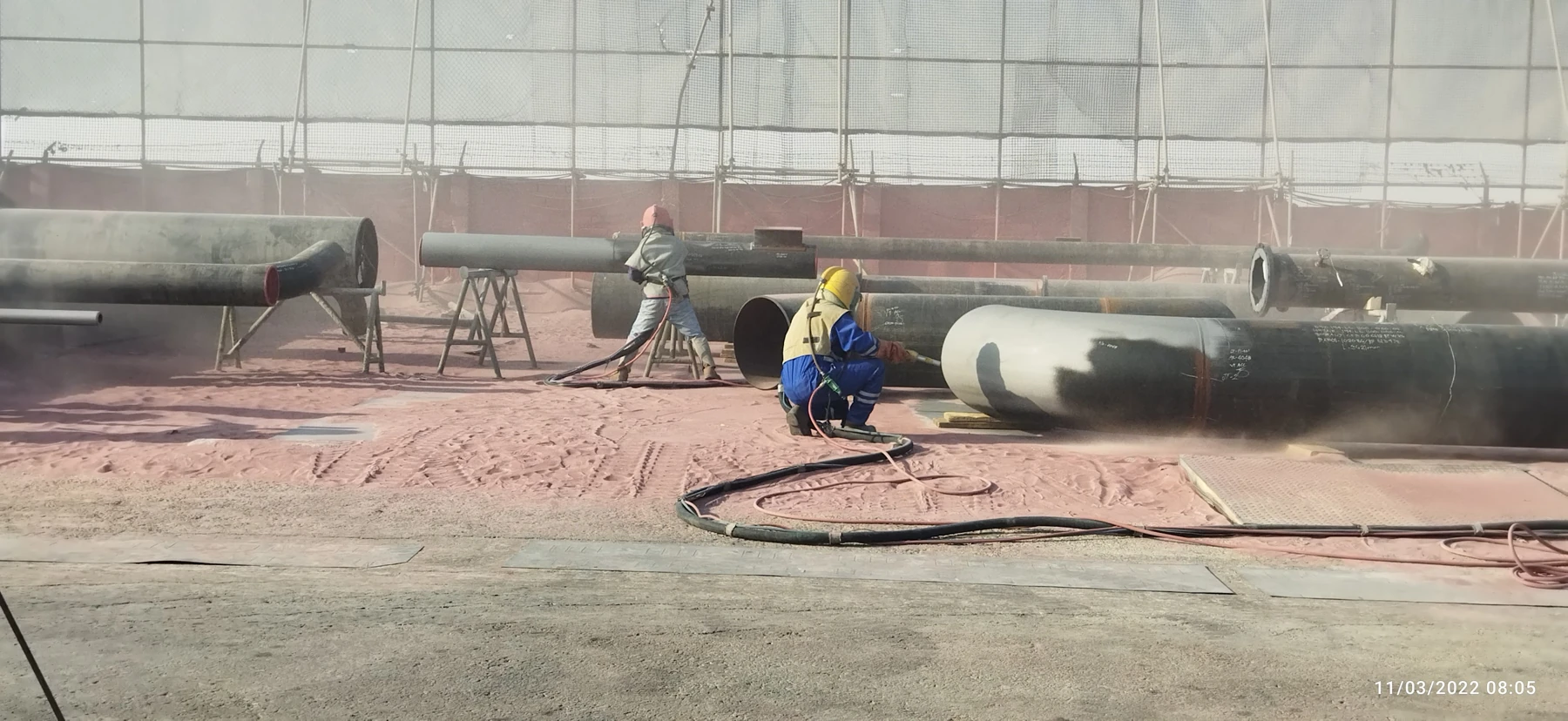
The coating starts with the surface.
Enquiries for structural steel, pipe spools and maintenance work begin with the substrate: new steel, rusted steel, existing coating, welds and local defects. The preparation must suit the next coating and the service environment. The methods and delivery arrangements below are options for technical review and quotation.
View the industrial service overview →Choose the method around the job.
The required cleanliness, profile, existing coating and surrounding operations guide the proposed method.
Dry abrasive blasting
An option for removing rust, mill scale and old coating while developing the specified profile. Abrasive suitability, containment and recovery form part of the review.
Wet / vapor abrasive blasting
Water-assisted abrasive options may reduce airborne dust compared with dry blasting. Water supply, runoff collection, residues and potential flash rust still need planning.
Waterjetting
A maintenance option for suitable previously prepared surfaces. It exposes an existing profile; it does not create a new anchor profile. Coating compatibility and flash-rust acceptance must be confirmed.
Hand & power-tool preparation
Considered for local repairs, restricted areas or where the specification allows. It is not interchangeable with a specified abrasive-blast preparation grade.
Plan the workface before mobilization.
Containment & surroundings
Identify occupied areas, adjacent equipment, dust-sensitive assets, noise restrictions and collection or disposal responsibilities. Existing-coating information helps define waste handling.
Access & work location
Confirm height, scaffold or platform access, dimensions, lifting and handling, utilities and whether work is in a workshop arrangement or at the client site.
Programme & interfaces
Share shutdown windows, permit requirements, other trades and the follow-on coating sequence. The proposal defines access, protection, cleaning and handover responsibilities.
Cleanliness and profile are separate checks.
Methods, sampling and acceptance criteria belong to the agreed specification and inspection plan. No single target suits every substrate or coating.
Visible condition
Agree the starting condition and target visual preparation grade in the project specification. Rust, mill scale, old coating and local repairs affect the work required.
Surface profile
Specify the profile required by the selected coating system. A visually clean surface alone does not establish that its roughness suits the next product.
Salts, dust & flash rust
Include soluble-salt and dust checks where specified. Wet methods also require an agreed flash-rust assessment before coating; appearance does not replace the required tests.
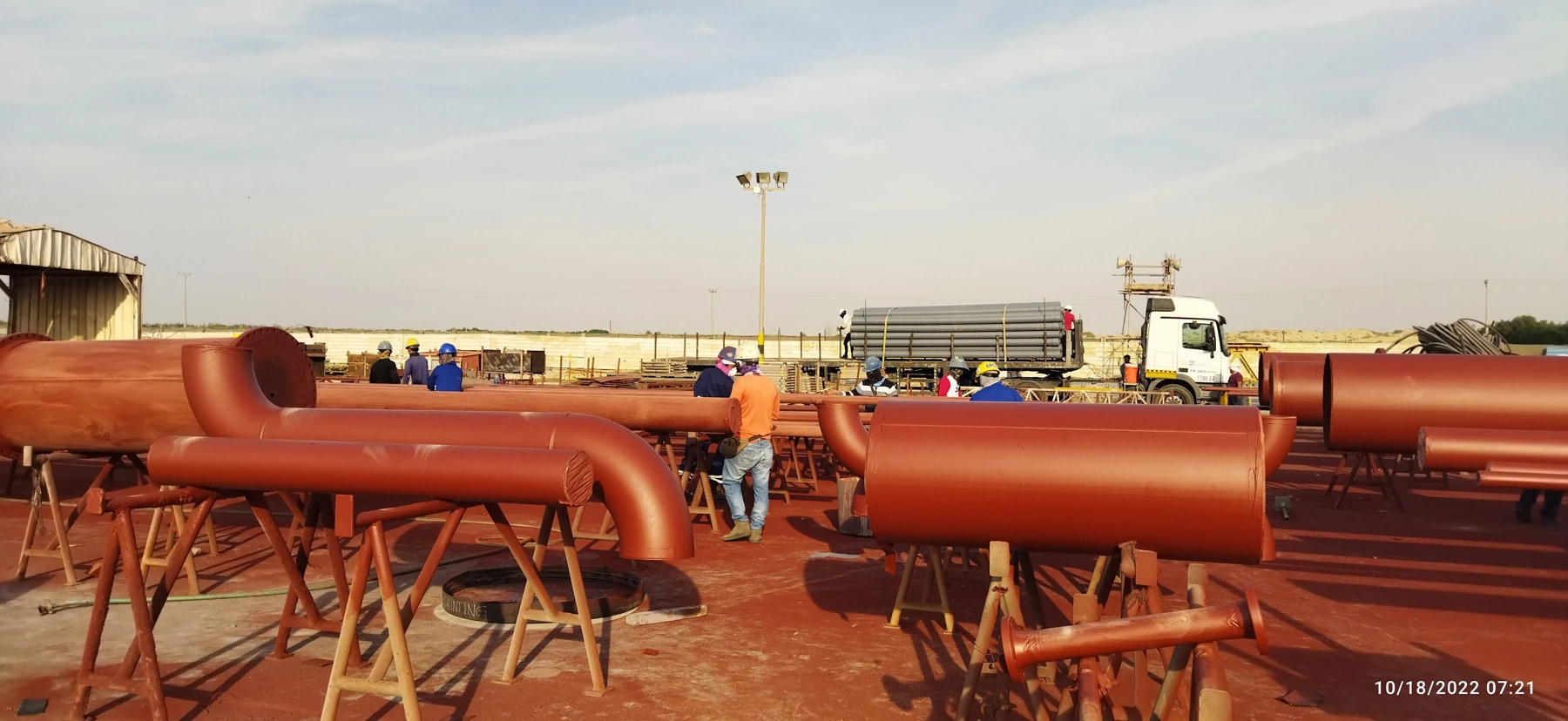
Keep preparation and painting connected.
Define areas released for painting, inspection records, remaining repairs and responsibility for protecting prepared surfaces. Changed conditions or renewed contamination may require reassessment before primer application. Preparation can be reviewed together with the painting package.
Explore painting & protective coatings →Information for a useful quotation.
The item & its condition
- Location, photographs, drawings or BOQ and approximate surface area.
- Substrate, dimensions, quantities; internal or external, new work or maintenance.
- Rust and coating condition; available information on old coatings, contamination and defects.
The result & delivery
- Specified preparation method / grade, profile and next coating system.
- Salt, dust, flash-rust and inspection requirements, including hold or witness points.
- Access, containment, utilities, waste responsibilities, required dates and work window.
Before you send the enquiry.
Can you quote from photographs?
Photos, dimensions and area support an initial review. A firm scope may need a site visit, condition assessment or clearer specification, especially for old coatings and difficult access.
Is wet abrasive blasting dust-free?
It can reduce airborne dust, but controls for the work area, residues and runoff remain necessary. The method depends on the site and required result.
Can you confirm a preparation grade before reviewing the job?
The target grade and profile must come from the coating specification and technical review. Tool cleaning, abrasive blasting and waterjetting are different preparation routes.
What does the quotation confirm?
The method, limits of work, access and containment, inspection and handover. Equipment allocation, personnel and availability are confirmed for the proposed package.
Send the specification and site photos.
Share the area, substrate, location and required dates. Add drawings or a BOQ so the proposal can address the work you need.