
Painting & protective coatings.
A coating package built around the substrate, exposure and specification—from preparation and coat sequence to inspection, repair and handover.
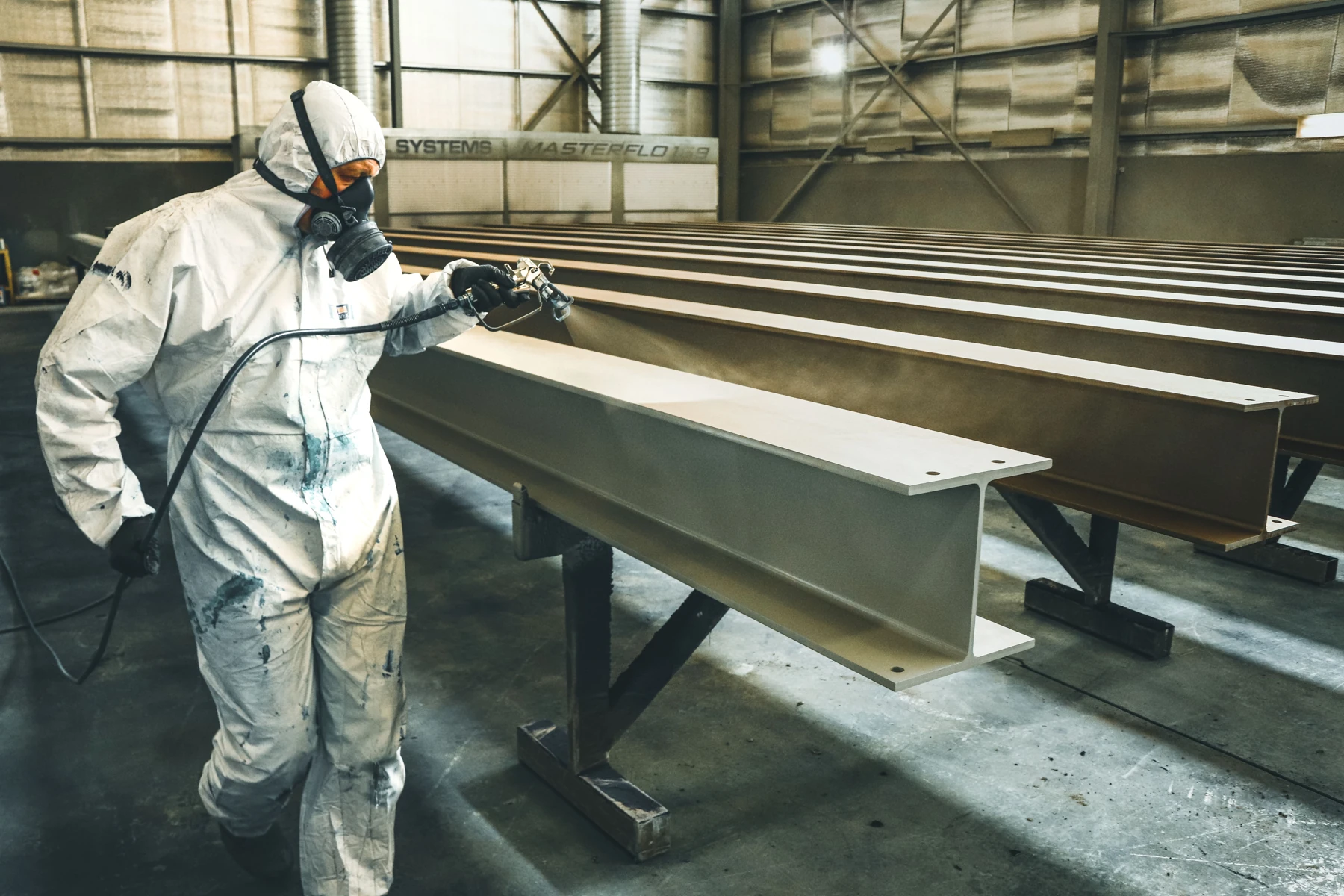
Define the system before the finish.
Painting of civil engineering structures and enquiries for protective coating of steelwork, pipework and components. We review new-build and maintenance needs, the service exposure and specified products. System examples, methods and inspection activities below are subject to technical review and the agreed quotation.
View the industrial service overview →Different service conditions. Different systems.
These are categories for discussion, not a recommendation for every asset. The listed layers do not form one universal coating system.
Zinc-rich primers
A primer category for appropriately prepared steel within a specified compatible system. Product selection, substrate and overcoating requirements must be confirmed.
Epoxy primers & intermediates
Examples include anticorrosive primers and build coats, with epoxy mastic options for suitable maintenance specifications. Compatibility with retained coatings needs review.
Polyurethane topcoats
An option for specified atmospheric systems requiring colour and gloss retention. The compatible undercoat, finish and exposure determine suitability.
Specified linings
Tank, immersion or chemical-service enquiries require the medium, concentration, temperature, substrate and manufacturer-approved system. A general external-painting system is not a lining specification.
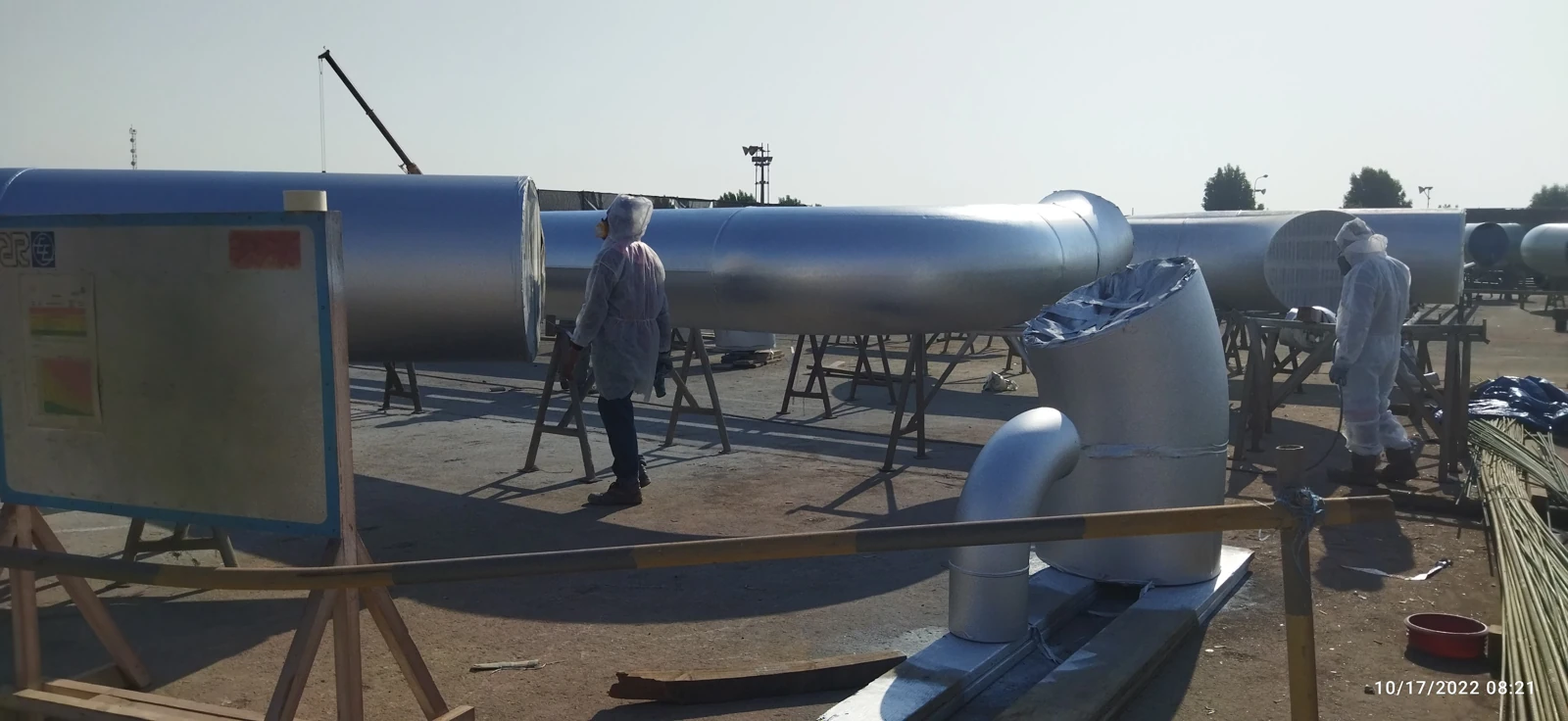
Workshop or field: define the interfaces.
Workshop application may suit transportable steelwork or components; field application may suit erected structures and maintenance. Confirm handling, access, protection, ventilation and environmental control, together with transport damage and site touch-up responsibilities.
Review surface preparation options →Brush & stripe coating
Considered for edges, welds, details and smaller repairs where the selected product and specification permit.
Roller application
May suit defined areas and products where the required finish and film build are achievable by the permitted method.
Spray application
Airless or conventional air spray may be proposed where product data and site conditions permit. Overspray protection and access form part of the scope.
From prepared surface to service release.
The approved system, current Technical Data Sheets (TDS) and application guides govern conditions, thickness, recoat intervals and cure. Air and surface temperature, relative humidity, dew point, ventilation and weather can affect the programme.
Prepare & release
Confirm specified cleanliness, profile and required contaminant checks before coating.
Prime & detail
Apply the specified primer and detail / stripe coats where required by the system.
Build & overcoat
Apply intermediate coats within the permitted recoat window and intercoat condition.
Finish & cure
Complete the topcoat or lining, repairs and required cure before handling or service.
Agree the checks and the records.
Acceptance criteria, methods and frequency are established for the project. Inspection staffing and any qualification or third-party requirements must be agreed for the package.
Before coating
Visual cleanliness and profile, plus soluble-salt and dust checks where specified. Confirm the prepared surface is released for the next stage.
During application
Record air and surface temperature, relative humidity and dew point against product requirements. Check wet-film thickness (WFT) as applicable.
After application
Measure dry-film thickness (DFT); review coverage, appearance and defects under the inspection plan. Holiday testing is included only where specified for the system and service.
Repair & close-out
Agree repairs, reinspection and cure / release requirements. The inspection and test plan (ITP) defines hold or witness points, responsibilities and handover records.
Send the specification with the quantities.
Asset, system & finish
- Location, drawings or BOQ, substrate, dimensions, quantities and area.
- New or maintenance work, existing coating and rust, photos and known contaminants.
- Exposure; for linings, the medium, concentration and operating temperature.
- Specified products, coat sequence, DFT per coat, colour and finish.
Execution, inspection & dates
- Workshop or field application, height, access and handling.
- Preparation and boundaries for masking, containment, protection and waste.
- Required ITP, records, client witness points and third-party requirements.
- Dates, shutdown window, curing / return-to-service constraints and client-supplied materials.
Before specifying the work.
Can you select a system without a specification?
Share the substrate and service environment for an initial review. A proposed system needs technical confirmation and, where necessary, manufacturer guidance before quotation.
Can an existing coating be overcoated?
Possibly, subject to condition, adhesion, contamination and compatibility. Local repair or wider removal may be needed; photographs alone may not resolve compatibility.
Is dry-to-touch the same as ready for service?
No. Handling, overcoating and service cure are separate product requirements. The programme must allow the selected system’s intervals under actual conditions.
Are thickness and holiday tests always included?
The quotation and ITP define inspection. Thickness criteria follow the specification; holiday testing is included only where required and appropriate for the coating and service.
Send the specification and site photos.
Share the area, substrate, location and required dates. Add drawings or a BOQ so the proposal can address the work you need.